Surfboards
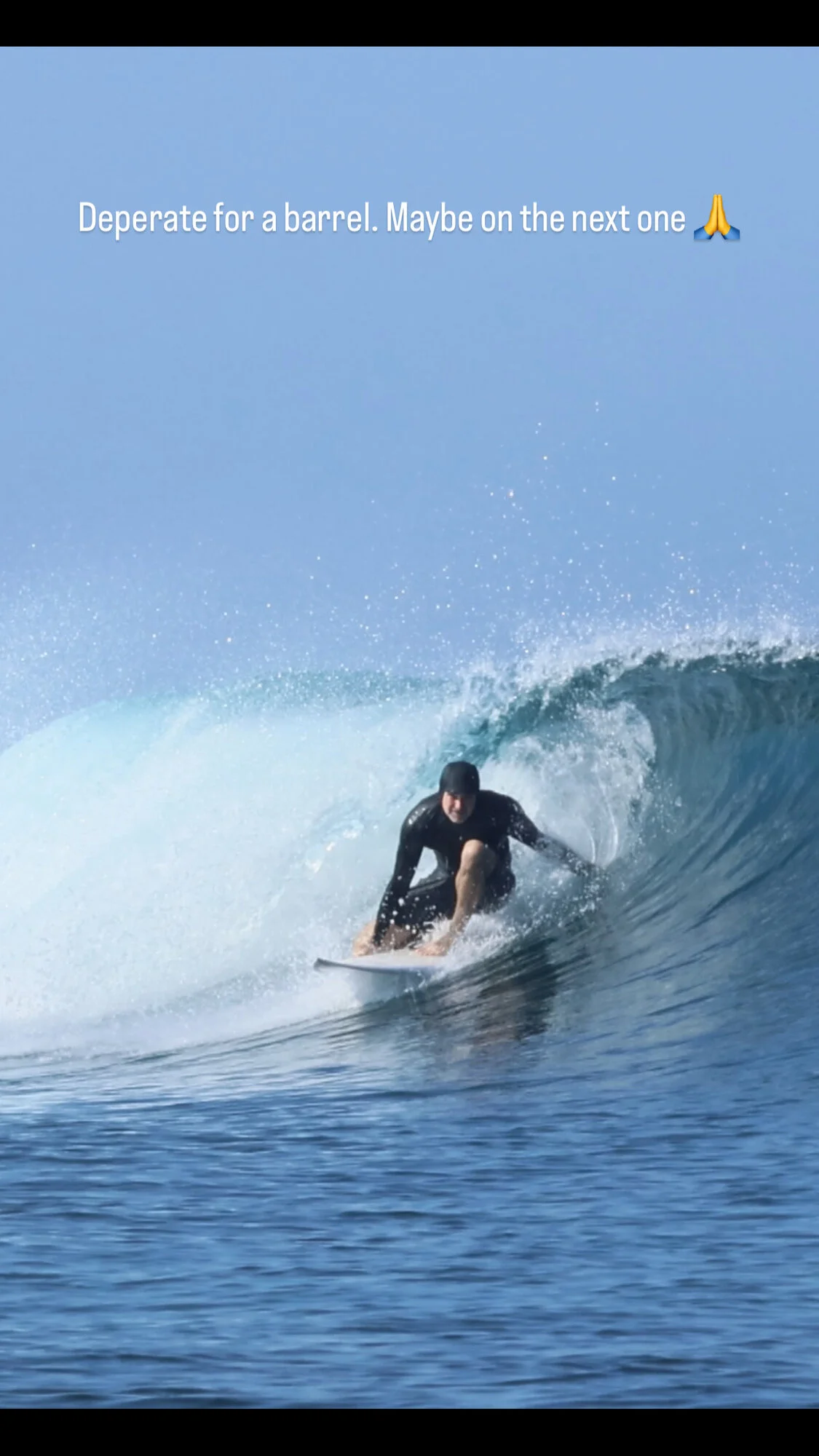
I carried two boards in my Ocean & Earth travel bag: a JS Monster 6'0 and a Chili Rare Bird Evolution, both six foot, both around 33 litres.
The JS Monster was the clear winner. It turned so well at Lakey. The wave just gives you opportunity after opportunity to hit the lip, carve the face, and work the whole length of the wall. My stats: 84 kilos, 184cm (just over 6 foot), intermediate surfer, riding a 6'0 JS Monster at 33 litres. That combo worked perfectly.
I tried the Chili Rare Bird as well but kept going back to the Monster. The Rare Bird is probably better for mushier surf. For the steeper, more hollow conditions at Lakey, the Monster just responded better.
Here is how confident I was on that board: I do not think I stacked a single takeoff in 170 waves over the week. The steep drops at Lakey demand good grip and a board you trust, and the Monster delivered.
I probably did not need the second board. But I always travel with a backup after watching that professional who brought six boards (four of them Monsters in different sizes) to dial in the right volume for different conditions. One backup is insurance. Zero backups is gambling.
When you factor in the board damage from the flights (both my boards had cracked tails from baggage handling), having a second board becomes even more important. If the Qantas flight had destroyed one board completely, I would have been surfing my backup all week. I met another surfer who only brought one board and it got dinged badly on the flight in. He spent the first day doing repairs instead of surfing. Lesson learned.
For board dimensions at Lakey: go with what you ride at home in punchy, hollow conditions. This is not a fat, grovelly wave that needs extra volume. It is steep, fast, and rewards performance shapes. If anything, you could go slightly shorter than your standard because the wave gives you so much speed that you do not need to generate it yourself. The steepness of the face does the work for you.
Fins
FCS2 Mick Fanning Large fins in a thruster setup. They have been my go-to for a while now. Pretty good all-round performer, and they held well in the faster sections at Lakey. Nothing special to report, they just worked. At my weight (84kg) the large size gives me the drive I need through turns.
One thing to note: I scraped my fins on the reef slightly during one paddle-in when I got startled by how shallow it was. A bit of sandpaper polished them off. It is a good reminder that the reef is right there, especially on lower tides.
Leash
I brought an FCS leash and a spare. Standard 6 foot comp leash. It held up fine all week. The one tip I would give is to check your leash before every session. The salt, the sun, and the constant strain of a reef break where you are popping up 30+ times per session puts wear on the swivel and the rail saver faster than normal beach break surfing. A leash failure at Lakey means your board hits the reef, and that is an expensive problem. Bring a spare. They weigh nothing and take up no space in your bag.
Board Bag
I used an Ocean & Earth double board bag for the trip. It fits two shortboards comfortably with padding between them. These bags are solid. I have used them on multiple trips and they hold up well to airline handling. The key is to pack extra padding around the tail and nose. I used rolled-up towels and clothes to fill the gaps. Despite that, both boards still copped tail cracks from the Qantas flight, which tells you how rough the handling can be. Extra bubble wrap or foam padding is worth buying before you fly.
Wax
This is going to sound ridiculous but wax choice was one of the biggest gear wins of the trip. I used Sex Wax Tropical as my base coat and then Foo Wax on top for extra grip.
The difference was massive. With the steep takeoffs at Lakey, you need to feel locked in. Foo Wax is so grippy that I did not slip once across 170 waves. If anything, the issue was that it was hard to reposition my feet because they were stuck. But I will take that over sliding off a steep drop any day.
The one downside of extreme grip is that you need to consciously pick your feet up to move them. Small price to pay for confidence on takeoff.
A note on wax in tropical climates: bring tropical-rated wax specifically. Regular wax melts in the heat and you end up with a slippery mess. I kept my spare wax in the room rather than in the board bag which was sitting in the sun. Even tropical wax softens in direct heat. Apply it in the shade before your session and you will get a better result.
Sun Protection
John John Florence Hooded Rashie. One of the best purchases for this trip. The UV in Sumbawa is intense. I was in the water for 5-6 hours a day and the hooded rashie protected my head, neck, and arms from getting destroyed. But the unexpected benefit was the glare. Even in the late afternoon when the UV was dropping below 4, the hood kept the sun out of my eyes when I was paddling out into the sunset looking for waves. I saw quite a few other surfers wearing the same one. It is popular at Lakey for good reason.
Cancer Council 50+ Sunscreen for the basics. Applied before every session to legs, hands, and any exposed skin.
Surf Mud Zinc for face, lips, and nose. This was a game changer. It lasts through long sessions, and I kept a small tin of it in my board shorts pocket so I could top up my lips and nose mid-session. The other big advantage: it does not make me break out like some other zinc brands do. If you have sensitive skin, Surf Mud is worth trying.
Board Shorts
This seems like a small thing but it matters when you are surfing 5-6 hours a day. The constant friction on your thighs and groin from wet board shorts that are too short, too loose, or made of the wrong material will ruin your week.
I wore Rip Curl board shorts, the longer length. Key points: they stayed in place so my back was not exposed to the sun, the material did not chafe, and they were long enough to protect my upper thighs from the wax and the sun. At home I might surf in shorter ones because I am in the water for an hour or two max. For a trip like this where you are living in them, go for the standard or longer length. Your skin will thank you.
Camera and Tracking
Insta360 for filming. Great for capturing shots going to and from the break on the boat, and you can mount it on your board for wave footage. The local photographers are better for actual surf photography though, so do not stress if you do not have a camera. You can buy professional shots for $15-50 AUD.
Dawn Patrol App on Apple Watch for surf tracking. This was fascinating to use at Lakey. Watching my wave count hit 30+ per session, seeing how fast I was going, comparing my daily stats. It showed me in cold hard numbers how much more surfing I was getting than at home. If you are the kind of person who likes data, it is a great addition to a surf trip. The app tracks wave count, top speed, longest wave, total distance paddled, and session duration. By the end of the week I had a complete record of every session, which is both a great memento and useful for understanding your own surfing patterns. I noticed that my wave count dropped on days when the swell was smaller, even though I felt like I was surfing the same amount. The data kept me honest.
Board Repair
Bring a tube of UV-cure resin (Solarez or similar). My Qantas flight cracked both tail sections of my boards. Not catastrophic, but the cracks were not waterproof. I did a quick repair with the UV resin and it held perfectly through the entire week. I have since sent the boards in for a professional fix, but the field repair worked.
Given that you are flying regional airlines with smaller cargo holds and your boards are getting handled by airport staff, a ding repair kit is not optional. It is essential.
What I Did Not Need
Ocean & Earth Pocket Booties. I bought them specifically for this trip but never wore them. The reef at Lakey Peak can be avoided entirely by paddling through the sandy boat channel. I never found myself standing on the reef or needing to walk across it. Some people did walk across, but I found the channel route just as easy. If you are surfing Lakey Pipe or the shallower inside sections on big low tides, booties might be worth having. For standard sessions at the main peak, I would skip them.
Too many clothes. I packed like I was going on a normal holiday. In reality, I wore board shorts and a rashie all day, every day. I changed into a light t-shirt and shorts for dinner and that was it. I could have halved the clothes I brought and still had more than enough. Pack light. You are going to a surf village, not a resort. Nobody cares what you are wearing.
What I Wish I Had Brought
A second leash. I brought one spare but in hindsight, having a third would have been smart. At 30+ waves per session, your leash takes a beating. If one breaks and you are relying on your only backup, you are one more break away from having no leash at all. They are light, cheap, and easy to pack.
More zinc. I went through my Surf Mud faster than expected because I was applying it so frequently. Five to six hours in the water means multiple applications per day. I ran low by day four and had to ration it for the rest of the trip. Bring two tins if you use zinc regularly.
The Full Packing List
In the board bag: - 2x surfboards (primary + backup) - Spare leash - Spare fin set - Board repair kit (UV cure resin, sandpaper, razor blade) - Wax (base coat + tropical)
In the checked bag: - 2-3 pairs of board shorts (longer length) - Hooded rashie - Light rashie for backup - Sunscreen (Cancer Council 50+) - Surf Mud zinc (small tin for pocket top-ups mid-session) - Insect repellent (DEET-based, minimum 30%) - Reef-safe sunscreen for snorkelling - Thongs/sandals (you live in these) - 1 pair of light shoes for the airport - Light shorts and t-shirts for evenings - Insta360 + mounts + spare battery - Apple Watch + charger - Phone charger + portable power bank - Cash (AUD to change at Bali airport, or pre-purchase IDR) - Basic first aid kit (antiseptic, waterproof bandages, gastro meds, rehydration salts, Imodium) - Passport, travel insurance docs (digital copies on phone too) - Earplugs (surfer's ear prevention for long sessions) - Lip balm with SPF (your lips will crack from salt and sun) - Small dry bag for phone/wallet on the motorbike - Hat for sun protection between sessions - Light rain jacket (tropical rain can arrive quickly)
Travel light overall. I brought too much and lived in the same rotation of three board shorts and two rashies all week. Everything else was dead weight. If you can fit it in a checked bag and a board bag, you have enough.
New dispatches from the field
Real stories. No spam. Unsubscribe anytime.