Understand the Tides
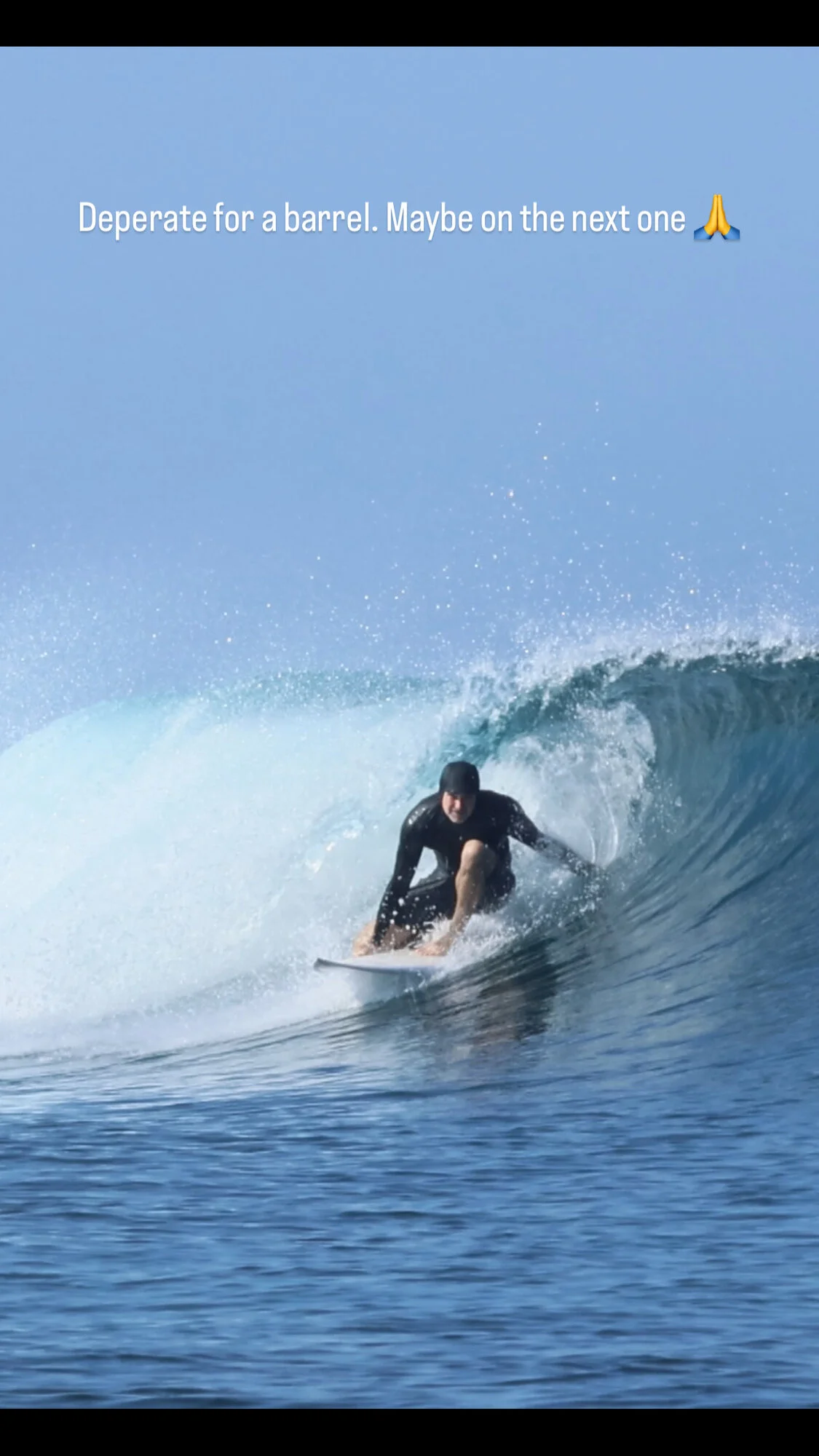
This is the single most important thing I can tell you about surfing in Indonesia versus surfing at home. The tidal range at Lakey is dramatic. One minute you are looking at the reef and everything looks normal. Two hours later the entire reef is exposed and you could walk out there.
At home in Australia, I check the tide but I can usually surf all tides at my local beach break. At a reef break like Lakey, the tide dictates when and where you can surf. Low tide means the reef is shallow and the wave gets more hollow and more dangerous. High tide means the wave is softer and the reef is less of a concern.
Plan your sessions around the tide. Check the swell forecast. Check the moon phase. The interaction between tide, swell, and wind determines whether you are having the session of your life or putting yourself at risk. I was there during a moderate swell (3-4 foot) and it was manageable at all tides, but I can imagine that a 6 foot swell at dead low would be seriously gnarly.
The best free resource for this is the Surfline app or Magic Seaweed (MSW). Both have Lakey Peak in their database with tide charts, swell forecasts, and wind predictions. I checked the forecast every night before bed to plan when I would paddle out the next morning. Mid-tide with an incoming swell was consistently the best window. Low tide meant shallower reef and more risk. High tide meant softer waves with less push. That mid-zone between the two was where the magic happened.
The Reef
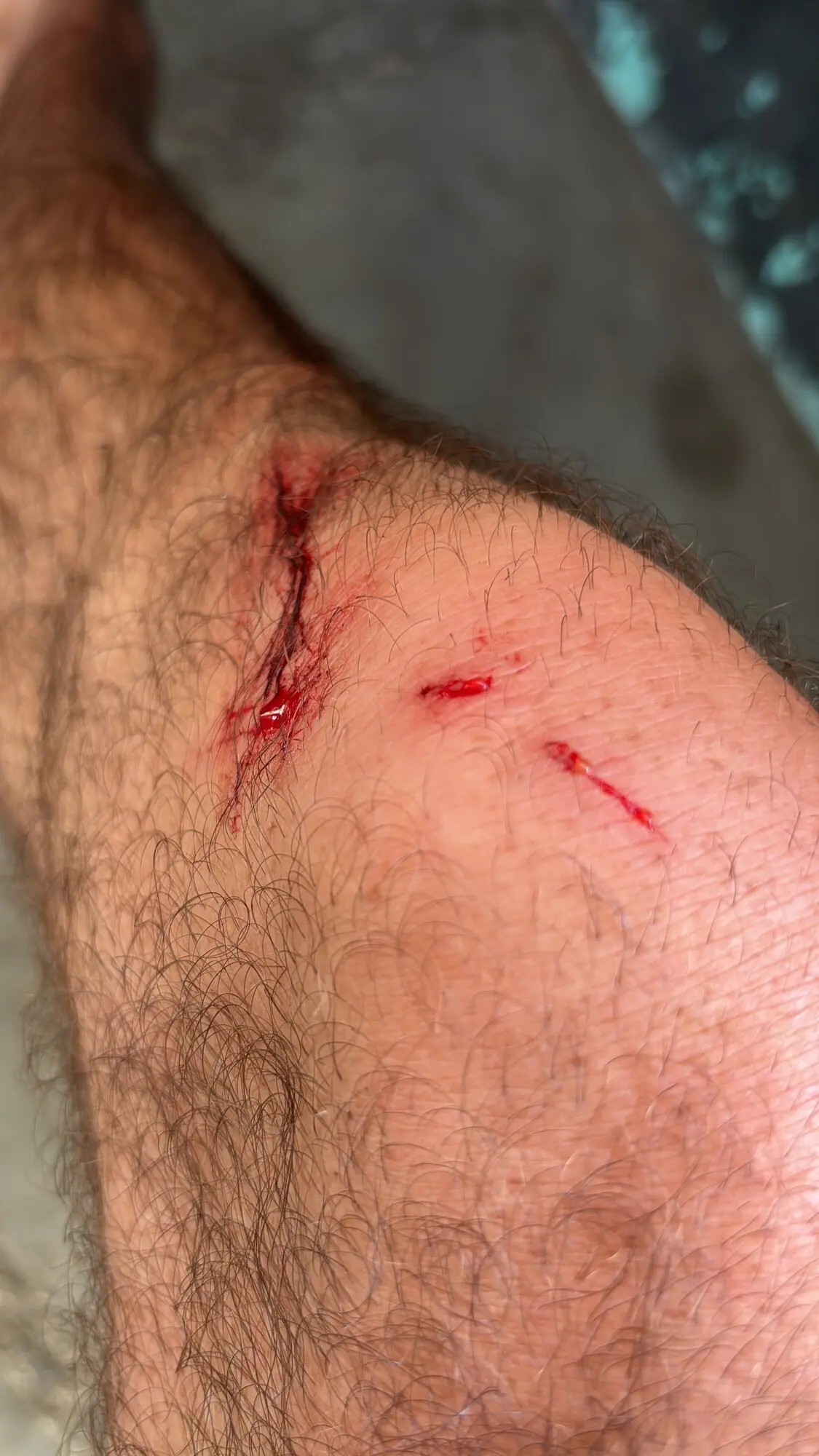
Lakey Peak is a reef break. The coral is sharp and it is closer to the surface than you think. I scraped my fins on the reef during one paddle-in when I underestimated how shallow it was. A reminder that the bottom is right there.
The good news: you can avoid most reef contact by using the sandy boat channel to get in and out. I never had to walk across the reef. Some surfers do, but the channel works fine. On bigger days or lower tides, just paddle wider through the channel and you will not touch bottom.
If you do scrape yourself, clean it immediately and thoroughly. Reef cuts in warm tropical water get infected fast. Bring antiseptic and keep a basic first aid kit in your room. The cuts in the photo above look minor, and they were, but I cleaned them straight away and kept them covered.
Mosquitoes, Malaria, and Dengue
Sumbawa is not Bali. Mosquito-borne diseases are a real concern here. Malaria and dengue are both present in the area.
Be smart about it: - Use DEET-based insect repellent, especially at dawn and dusk - Cover up in the evenings when you are sitting outside for dinner - Sleep under a net if your room has one, or make sure windows and doors seal properly - The Peak Surf House had air conditioning and sealed rooms, which helped
You walk around shirtless most of the day because it is hot. That means you are exposed. I was religious about applying repellent in the late afternoon before heading out for the sunset session and again at dinner. I did not get bitten much, but this is an area where you do not want to take chances.
Talk to your doctor before you go about malaria prophylaxis. Different doctors have different views on this for Indonesia. Get advice specific to your trip.
Food and Water Safety
I got food poisoning on the way out. Not sure how. I did not use tap water for anything, not even brushing my teeth. I ate at the same restaurants and had the same meals as the people I was with, and none of them got sick. Just bad luck, or maybe I touched something and then touched my face. It happens.
My advice: drink bottled water only. Avoid ice unless you are confident it is from a sealed bag (most restaurants use sealed ice, but ask). Eat at established restaurants rather than random street stalls. The food quality at the Lakey Peak strip restaurants is good, but this is still rural Sumbawa, not a major tourist hub.
Bring gastro medication. Imodium, rehydration salts, and an antibiotic if your doctor will prescribe one for travel. If you do get hit, you want to manage it fast so it does not ruin the end of your trip or your flights home.
The other food tip: eat what the locals eat. Indonesian food is generally safer than the western-style dishes at the tourist restaurants because the ingredients are fresher and the kitchens are more practiced at making them. A nasi goreng that has been cooked a hundred times that week is probably safer than a club sandwich that gets ordered once a day. That said, trust your instincts. If something smells off or the restaurant looks unclean, move on. There are enough options on the strip that you do not need to take risks.
Surfboard Damage on Flights
Both my boards had cracked tails after the Qantas flight into Bali. The tail sections had been compressed or pressured during handling and developed small cracks that were not waterproof. It is annoying but not unusual. Surfboards are fragile and airport baggage handlers are not gentle.
My fix: UV-cure resin applied in Bali before flying to Bima. Light repair, held up all week. I have since submitted a baggage damage claim with the airline and sent the boards for professional repair.
Pack your board bag well. Use extra padding around the tail and nose. Rags, towels, extra clothes, whatever you have. And always carry repair materials. You do not want to arrive at a world-class wave with an unrideable board and no way to fix it.
Document the damage with photos before you leave the airport if possible. Airlines have baggage damage claim processes, but they require evidence. I took photos of the cracks as soon as I opened the bag at the accommodation. That made the claim process much easier when I got home.
Other Tips
Book flights in advance. I mentioned this in the Getting There section but it bears repeating. Having my return flight booked removed all the logistical stress. I knew when I was leaving, so I could relax and just focus on surfing.
YouTube it first. I did a bunch of YouTube research before I went and it helped me orientate myself. Knowing what the break looks like, where the channel is, where the takeoff zone is, it all meant I could get straight into surfing on arrival rather than spending the first session figuring out the geography. Search for recent videos though. Older videos might show different conditions or reference airlines and accommodation that no longer exist.
Talk to people. The locals and long-term visitors know everything. The staff at Peak Surf House connected me with drivers, spearfishing guides, and the best spots for food. Three Waves Cafe is the hub. Start there and you will meet people who can tell you whatever you need to know.
Do not skip the siesta. Surfing 5-6 hours a day in tropical heat will destroy you if you do not rest. Use the middle of the day to sleep, eat, hydrate, and recover. The afternoon session is too good to miss because you burned yourself out trying to surf through the windy midday slop.
Stretch. I did not do enough of it and I regretted it by day four. My shoulders, lower back, and hip flexors were tight from the constant paddling and popping up. Even 10 minutes of stretching after each session would have made a difference. A few of the more experienced surfers I met were doing yoga on the grass in front of the accommodation each morning before paddling out. They looked a lot more comfortable in the water than I did by the end of the week.
Protect your feet on the motorbike. Thongs are fine for cruising around the village, but the roads have loose gravel in places. I saw a surfer come off his motorbike on a sandy patch and scrape his foot badly. That was nearly a trip-ender. If you are riding any distance, wear closed shoes or at least reef sandals with a strap.
Bring a headtorch. The village is not well-lit at night. Walking back from dinner to your accommodation in the dark on uneven paths is easier with a small torch. I used my phone light most nights but a proper headtorch would have been better.
Respect the locals. This is their home, their wave, and their livelihood. Smile, say hello, learn a few words of Indonesian (terima kasih goes a long way), and tip fairly at restaurants. The locals at Lakey are genuinely warm and welcoming. Keeping it that way is everyone's responsibility. Do not be the tourist who makes the next visitor's experience worse.
New dispatches from the field
Real stories. No spam. Unsubscribe anytime.