Hero
Lord Howe Island Paradise
Best For
Snorkeling, Hiking, Golf, Sightseeing, Relaxing, Wildlife, Diving
Quick Stats
| Trip Length | 5-7 Days |
| Cost | ~$2,500-3,500 per person |
| Best Time | Sep-May |
| Access | 2hr flight from Sydney |
| Difficulty | Easy (island), Hard (Mount Gower) |
| Max Tourists | 400 at any time |
Why I Did This
I went to Lord Howe Island for my brother's buck's weekend. Just the two of us. No big group, no matching shirts, no nightclubs. We wanted somewhere that felt like a different planet, and Lord Howe delivered on that in a way I wasn't ready for.
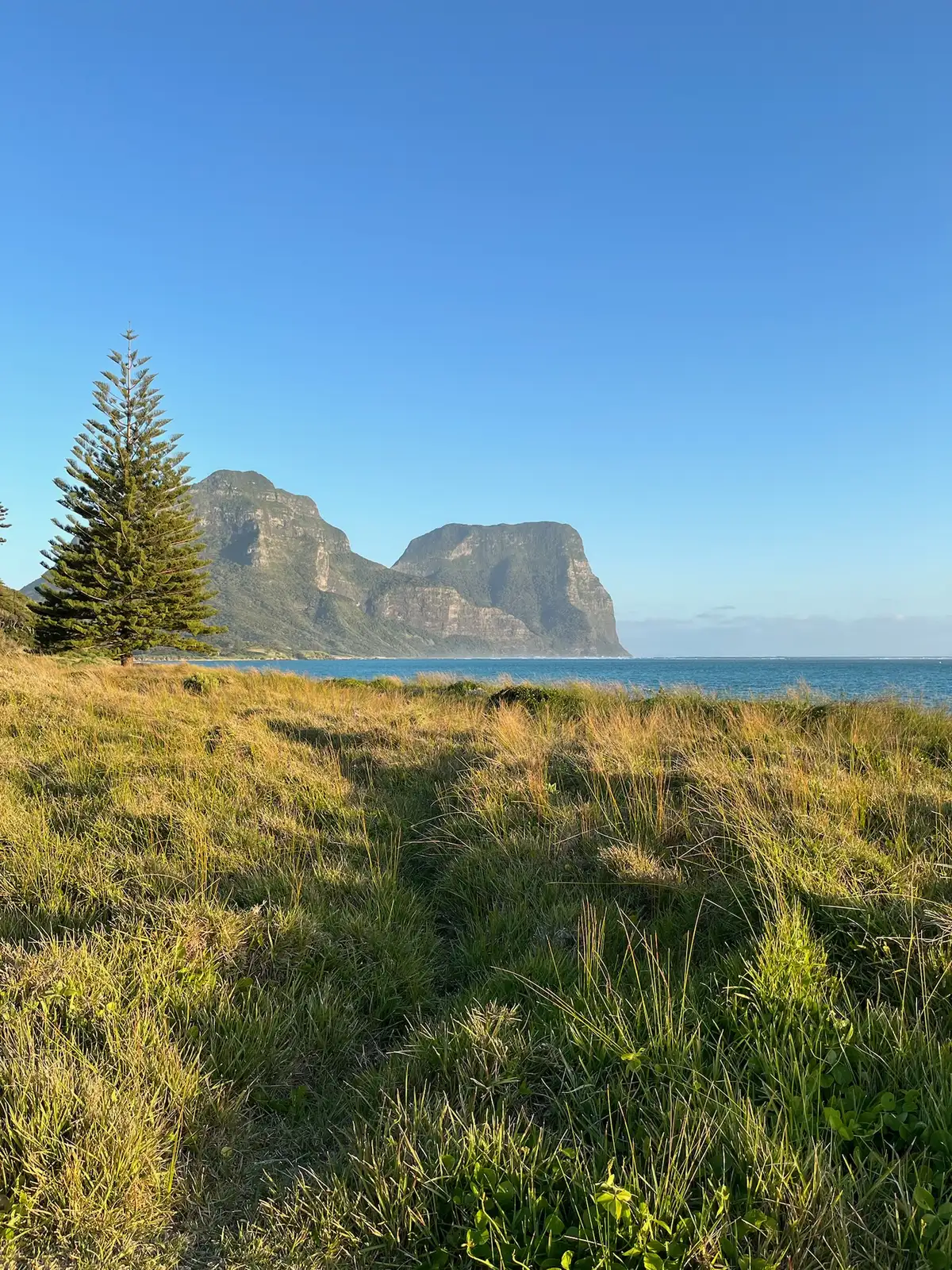
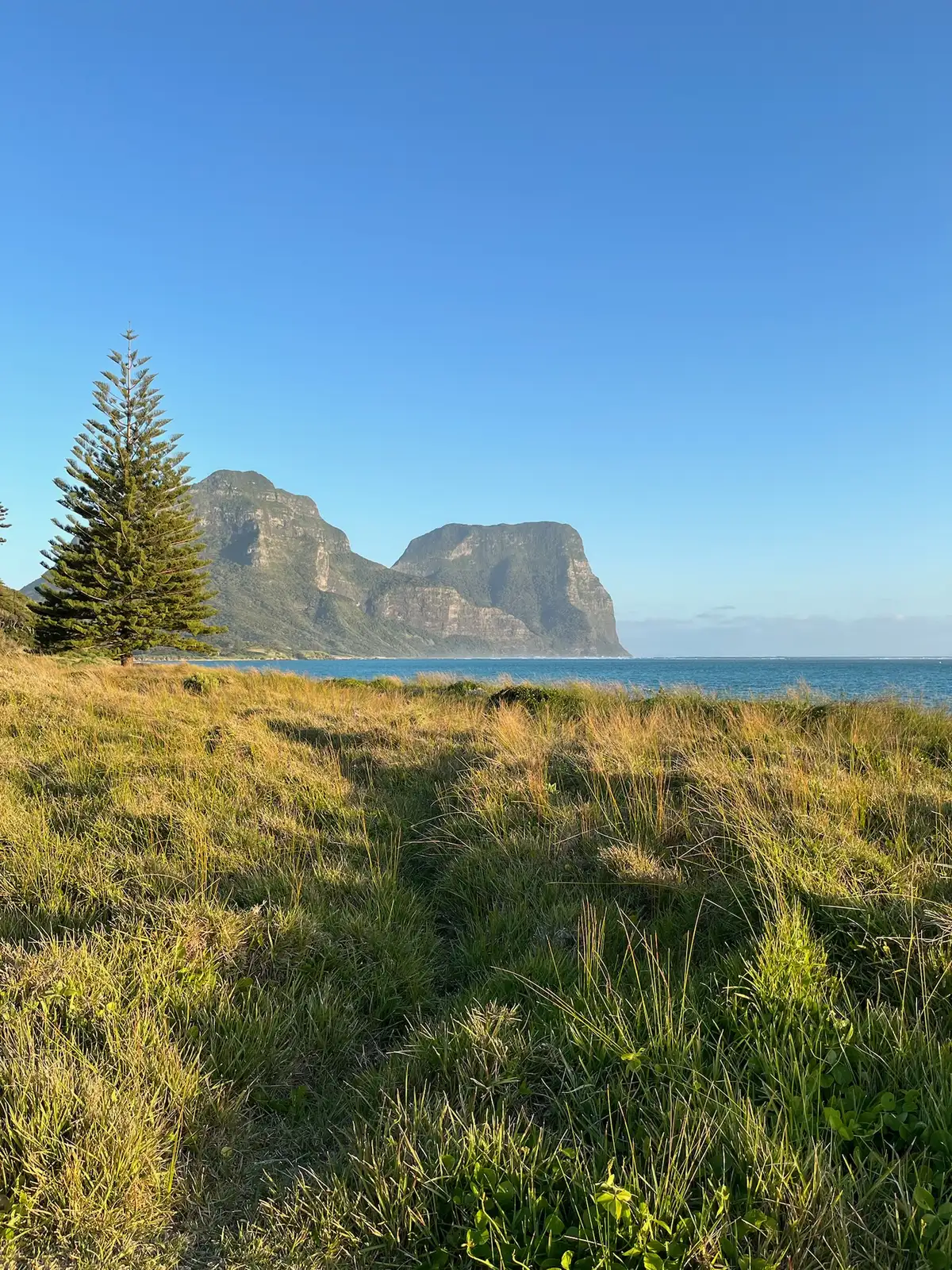
The second that twin engine plane dropped below the clouds and I saw Mount Gower rising out of the ocean, I understood why people describe this place the way they do. It's like Jurassic Park when you're a kid. That massive mountain in the background, the reef wrapping around the lagoon, water so clear you can see the bottom from 300 metres up. I sat there thinking, "This cannot be part of New South Wales."
One word for Lord Howe Island: paradise. And I don't throw that word around. I've been to plenty of places that market themselves as paradise and fall short. This one doesn't. It's a place where the loudest sound at night is birds, where you ride a bike everywhere, where 300 people live permanently and they all know each other by name. There are no snakes. No rats, they got rid of them all. Literally just birds, fish, and the most ridiculous reef you've ever seen.
I went in September 2025, about a month before my wedding. It was the perfect trip to decompress before the big day, and honestly one of those experiences that stays with you long after you get home.
Who Is This For
Lord Howe is for anyone who genuinely enjoys having nature at your fingertips. If your ideal holiday involves a pool bar and room service, this probably isn't it. But if you like getting in the water, riding a bike to a quiet beach, and eating a sandwich on top of a mountain after a solid hike, you'll love it here.
You don't need to be super fit for most of the island activities. Snorkeling, beach walks, kayaking, feeding fish at Ned's Beach: all easy going. The exception is Mount Gower, which is a proper 8-9 hour guided hike with some rock scrambling and exposure to heights. If you're scared of heights, think carefully about that one. But everything else on the island is relaxed and accessible.
Budget wise, it's not cheap. Flights alone are $500-750 each way, and everything costs a bit more than mainland Australia because of how remote it is. But you're paying for something genuinely rare: a place where only 400 tourists are allowed at any one time, where the reef is pristine, where the bird life has come back from near extinction, and where the pace of life feels like it did 20 years ago.
The island itself is a World Heritage site, which means strict environmental protections. You won't find resort sprawl or commercial development. What you get is conservation done properly, which means the place actually feels pristine.
The Island Itself
Lord Howe Island is about 11 kilometres long and just 2 kilometres at its widest. It's a volcanic remnant, the leftover from a shield volcano that erupted about 7 million years ago. Mount Gower at 875 metres is the main feature, but Balls Pyramid, that dramatic sea stack you see from the island, is actually the world's tallest volcanic sea stack at 551 metres. The whole place looks prehistoric. Flying in, you can see the geological structure from above: the twin peaks of Gower and Lidgbird rising sharply from the ocean, the lagoon stretched out between them, and the reef visible as a lighter band through the clear water.
Because it's volcanic, the soil is rich and the vegetation is dense and unique. The cloud forest on top of Mount Gower has plant species that exist nowhere else on earth. The island has been isolated long enough for species to evolve in their own direction. That isolation is also what makes it so vulnerable to introduced species, which is why the rat eradication program was such a big deal.
The marine park is equally special. Lord Howe sits on the world's most southerly coral reef. That sounds like a curiosity, but it means the underwater terrain is something else. Steep volcanic walls drop into deep water right off the reef, creating dive sites with both shallow coral gardens and dramatic deep-water topography. The water temperature stays warm enough for tropical fish to thrive this far south because of ocean currents. You get a combination of species you wouldn't normally see in the same place.
The Marine Park and Conservation
When you're on Lord Howe, conservation isn't some abstract concept. It's the reason the island works the way it does. The 400-tourist cap exists because the ecosystem can't handle more impact. The reef-safe sunscreen requirement (seriously, don't use anything else in the water) exists because these coral species are already at the edge of their temperature range. The rules about where you can walk and what you can touch exist because endemic species are concentrated in small areas.
It sounds restrictive, but honestly, once you're there, you understand why. The reef is so healthy, the water so clear, the wildlife so abundant, precisely because there are rules and people actually follow them. This isn't "no one cares" conservation. This is "we see the results" conservation.
The rat eradication program deserves a special mention. Completed in 2019, it involved dropping bait across the entire island to eliminate the black rat population that had been devastating native bird species for over a century. It was controversial at the time and some locals opposed it. But the results speak for themselves. Bird populations have rebounded dramatically. Species that were on the brink of disappearing are now common enough that you'll see them walking along the path next to your bike. The Lord Howe woodhen, which was down to about 30 individuals in the 1970s, is now a regular sight around the island. It's a conservation success story that you can actually witness firsthand, which makes Lord Howe feel less like a holiday and more like proof that conservation investment works when the community backs it.
Cost Breakdown
| Item | Cost (AUD) | Cost (USD) |
|---|---|---|
| Return flights (Sydney) | $1,000-1,500 | $650-975 |
| Accommodation (5 nights @ $300/night) | $1,500 | $975 |
| Bike rental (5 days @ $15/day) | $75 | $49 |
| Mount Gower guided hike | $80-100 | $52-65 |
| Scuba diving (1 session) | $200 | $130 |
| Snorkeling tour | $100 | $65 |
| Food and drinks (5 days) | $400-600 | $260-390 |
| Total per person | $3,355-4,075 | $2,181-2,649 |
Costs based on September 2025 trip. Prices shared between two people where applicable. Flights priced from Sydney. Gold Coast and Brisbane flights may differ.
Before You Go: The Most Important Things to Know
Three things to understand about Lord Howe before you book anything. First, the 14kg luggage limit is real. You're getting on a tiny turboprop, and they weigh your bags at check-in. Pack light, wear your heaviest gear on the plane, and accept that you're not bringing everything you'd take on a normal holiday.
Second, there's essentially no phone reception. Telstra might give you a bar in some spots; Optus and Vodafone get nothing. Your phone becomes a camera and an alarm clock. Download offline maps, screenshot your booking confirmations, and mentally prepare to be unreachable for a few days.
Third, book the Mount Gower hike the moment you arrive. There are only one or two licensed guides and they run set days with limited spots. If you wait until day three to sort it out, you might miss it entirely. Some people call the operators before their trip to lock it in.
Explore This Guide
- Getting There - Flights, the tiny plane, and why you need to plan ahead
- The Real Experience - Mount Gower, Galapagos sharks, and what it actually feels like
- Day by Day - What we did each day and what I'd change
- Gear & Packing List - What to pack when you only get 14kg checked luggage
- Tips & Warnings - No reception, no Uber, and other things nobody tells you
- FAQ - Everything else you want to know
Written by The Wild Logs Team from direct experience in September 2025. We pay for our own trips and share what we actually find.
Stay Wild
Real stories from real places. No spam.