Hero
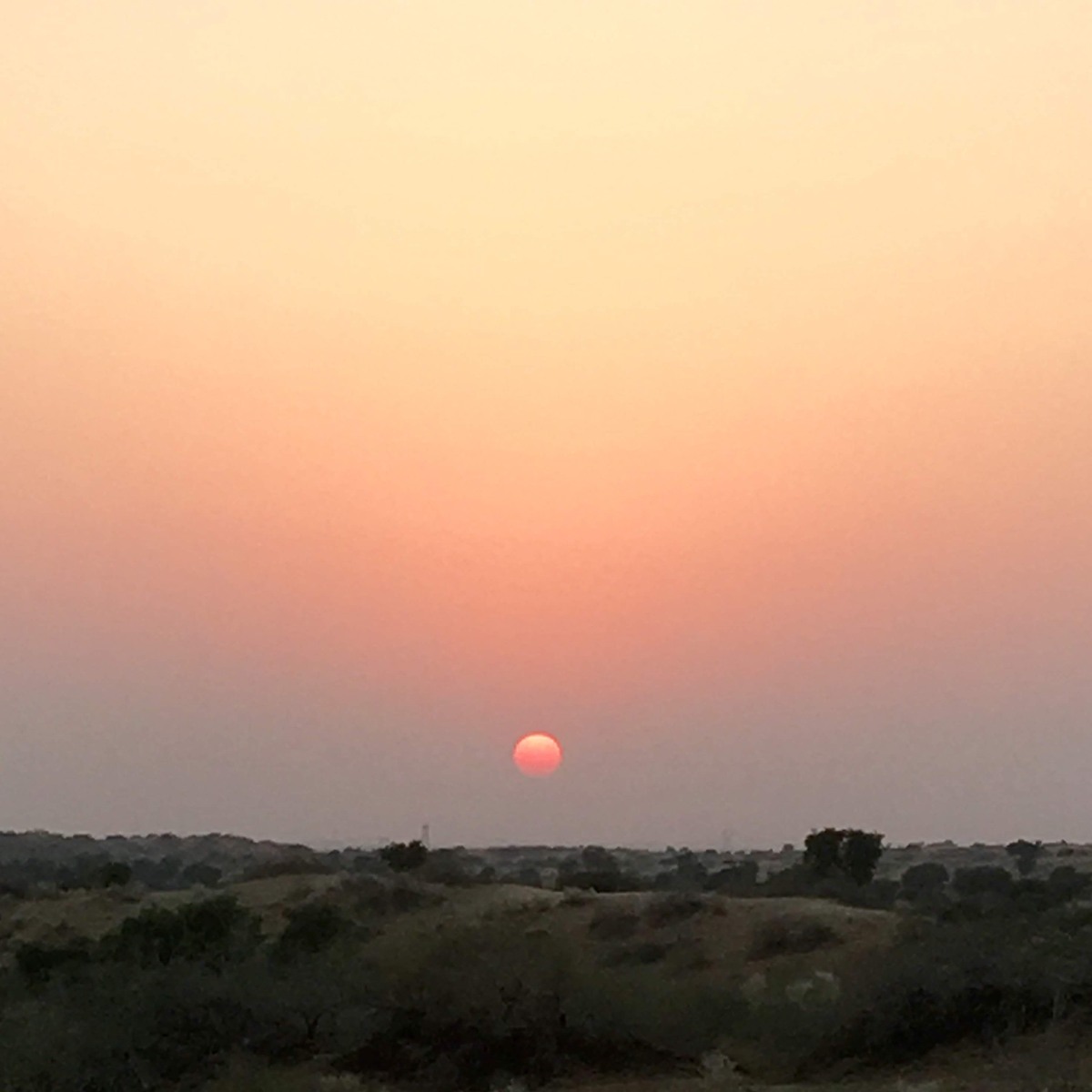
21 Days Across Northern India Life-changing, stomach-turning, perspective-shifting
Best For
Cultural Immersion . Solo Travel . Street Food . Budget Backpacking . Ziplining . Desert Camping . Temple Visits . Train Travel
Quick Stats
| Duration | 21 Days |
| Cities | 8 (Delhi, Jaipur, Jodhpur, Bikaner, Jaisalmer, Udaipur, Varanasi, Agra) |
| Total Cost | $1,995 AUD all-inclusive |
| Daily Average | Under $95 AUD |
| Best Time | October to February |
| Difficulty | Intermediate (mentally demanding more than physically) |
| Transport | Trains, buses, auto-rickshaws, one camel |
Why I Did This
I spent three weeks in November 2017 traveling solo through Northern India, and it fundamentally changed how I see the world. This wasn't some luxury tour with air-conditioned buses and pre-booked everything. This was real travel: standing in the chaos of Delhi at midnight, sharing chai with strangers on overnight trains, getting violently sick twice, and discovering that the best moments happened completely by accident.
I was 21 years old, flying out of Brisbane with a 65-litre backpack and a rough plan scribbled in a notebook. The plan was Delhi first, then loop through Rajasthan (Jaipur, Jodhpur, Bikaner, Jaisalmer, Udaipur), cross to Varanasi, and finish at the Taj Mahal in Agra before flying home. Twenty-one days to cover eight cities across a country with 1.3 billion people. Looking back, the ambition was borderline insane. But it worked. Every city delivered something different, and the connecting train rides between them became experiences in their own right.
Northern India is a sensory overload in the best possible way. Two thousand years of history happening simultaneously with 21st-century chaos. Ancient Mughal palaces sit next to honking auto-rickshaws. Sacred temples fill with incense while street vendors roast peanuts five feet away. It's overwhelming and addictive and absolutely essential if you want to understand something real about the world.
The pace matters. At 21 days, you're moving every 2-3 days, which is just enough time to feel a place without staying long enough to get complacent. You hit the highlights but still have breathing room. It's not rushed, but it's definitely active. If I had 28 days, I'd add another day in Varanasi and two more in Udaipur. If I only had 14, I'd cut Bikaner and compress the Rajasthan loop. The route itself forms a natural loop: start in Delhi, sweep west and south through Rajasthan, cross east to Varanasi, then come back to Agra and Delhi for the flight home. Each city builds on the last in terms of intensity. Delhi acclimatises you. Rajasthan dazzles you. Varanasi breaks you open. The Taj Mahal gives you a contemplative ending before the flight home.
This guide is everything I wish I'd known before I landed. It's honest, detailed, and built on real experiences, not travel magazine fluff. The food poisoning, the marriage proposals, the charcoal tablets that saved me, the 23 seconds on a zipline that felt like flying. All of it.
Who Is This For
This trip is for solo travellers who want authentic experiences and are comfortable with uncertainty. Budget backpackers who don't need a five-star hotel to feel safe. Cultural explorers willing to step outside their comfort zone and sit with discomfort. First-time India visitors who want to build confidence gradually across three weeks rather than one overwhelming week.
You need a reasonable level of fitness, not for hiking but for walking 10-15km a day through cities in 30-degree heat, climbing fort staircases, and surviving 12-hour overnight trains in sleeper class. You need patience. India tests your patience constantly: delayed trains, broken internet, touts who won't leave you alone, stomach bugs that arrive uninvited. You need to be okay with imperfection.
Skip if you need luxury accommodation everywhere, you're on a strict schedule that can't flex by a day or two, you struggle with very spicy food, or you require perfect hygiene standards at all times. This trip isn't for everyone, and that's completely okay. India rewards a particular type of traveller: the one who says "yes" to discomfort because they know something real is waiting on the other side.
As a solo female traveller at 21 years old, I'll be upfront: India requires extra awareness. I navigated constant attention from men, three genuine marriage proposals, and situations that required firm boundaries and quick thinking. I never felt in genuine danger, but I was always alert. More on this in Tips and Warnings. If you're a woman considering solo India, read that section first, then come back here.
Cost Breakdown
This is where travel guides get vague and unhelpful. Here's exactly what I spent across 21 days in November 2017:
| Item | Cost (AUD) |
|---|---|
| Accommodation (21 nights, $10-35/night range) | $420 |
| Food and drinks | $315 |
| Local transport (autos, buses, Uber/Ola) | $110 |
| Activities and entry fees | $85 |
| Indian tourist visa (30-day) | $140 |
| Miscellaneous (SIM card, snacks, tips) | $25 |
| Total | $1,995 |
That's under $95 per day for everything. You could do it cheaper if you slept in dorms every night and ate only street food. You could spend double if you wanted private rooms and guided tours everywhere. But this budget gave me private rooms in most cities, heritage palace stays in two, and the freedom to say yes to every experience without checking my bank account first.
The expensive part is getting there. Flights from Australia to India eat nearly a third of the total budget. Once you're on the ground, India is absurdly affordable. A full meal for $2. Train rides across states for $15. The problem isn't money. The problem is that India offers so much that you'll want to extend your trip and blow through whatever budget you set.
What Changed Me
I went to India expecting temples and food and "cultural experiences." I came back with something harder to name. Watching a priest feed sacred rats with absolute tenderness in Bikaner changed how I think about what people hold sacred. Sitting on the ghats in Varanasi watching cremation fires burn while priests celebrated life upstream made death feel less terrifying and more like part of a cycle. Sleeping in the Thar Desert under more stars than I'd ever seen made every problem back home feel small.
The discomfort matters too. Getting sick, really sick, and having to manage it alone in a foreign country. Navigating constant male attention as a solo female traveller without either escalating or cowering. Sitting on a 13-hour train with no phone signal and nothing to do except think. These moments stripped away the comfortable numbness of routine life and left me more present than I'd been in years.
India doesn't give you what you expect. It gives you what you need. Sometimes that's a $2 plate of the best butter chicken in existence. Sometimes it's a marriage proposal from a stranger that forces you to think about how differently cultures approach connection. Sometimes it's food poisoning that teaches you to pack charcoal tablets. Sometimes it's a zipline over a 500-year-old fort that makes you feel alive in a way nothing at home can replicate.
This isn't a luxury trip and it's not designed to be comfortable. But if you want 21 days that genuinely shift your perspective on the world, other cultures, and your own capacity for handling uncertainty, Northern India delivers. I came back different. Not dramatically, not in any way I could explain at the airport. But different in the way you approach a crowded train platform, or a stranger's offer of chai, or the sound of temple bells at 5 AM. India rewires something small but permanent in how you experience the world.
Explore This Guide
- Getting There : Flights, visas, transport, and the logistics that make or break your trip
- The Real Experience : What actually happened, city by city, with honest highs and lows
- Day by Day : The complete 21-day itinerary with realistic times and costs
- Gear and Packing List : Exactly what I carried for three weeks in one backpack
- Tips and Warnings : Solo female safety, scams, stomach survival, and cultural etiquette
- FAQ : Every question people ask, answered with real experience
Last updated: March 2026. All costs are from November 2017 and should be adjusted for inflation. The Wild Logs Team.
New dispatches from the field
Real stories. No spam. Unsubscribe anytime.