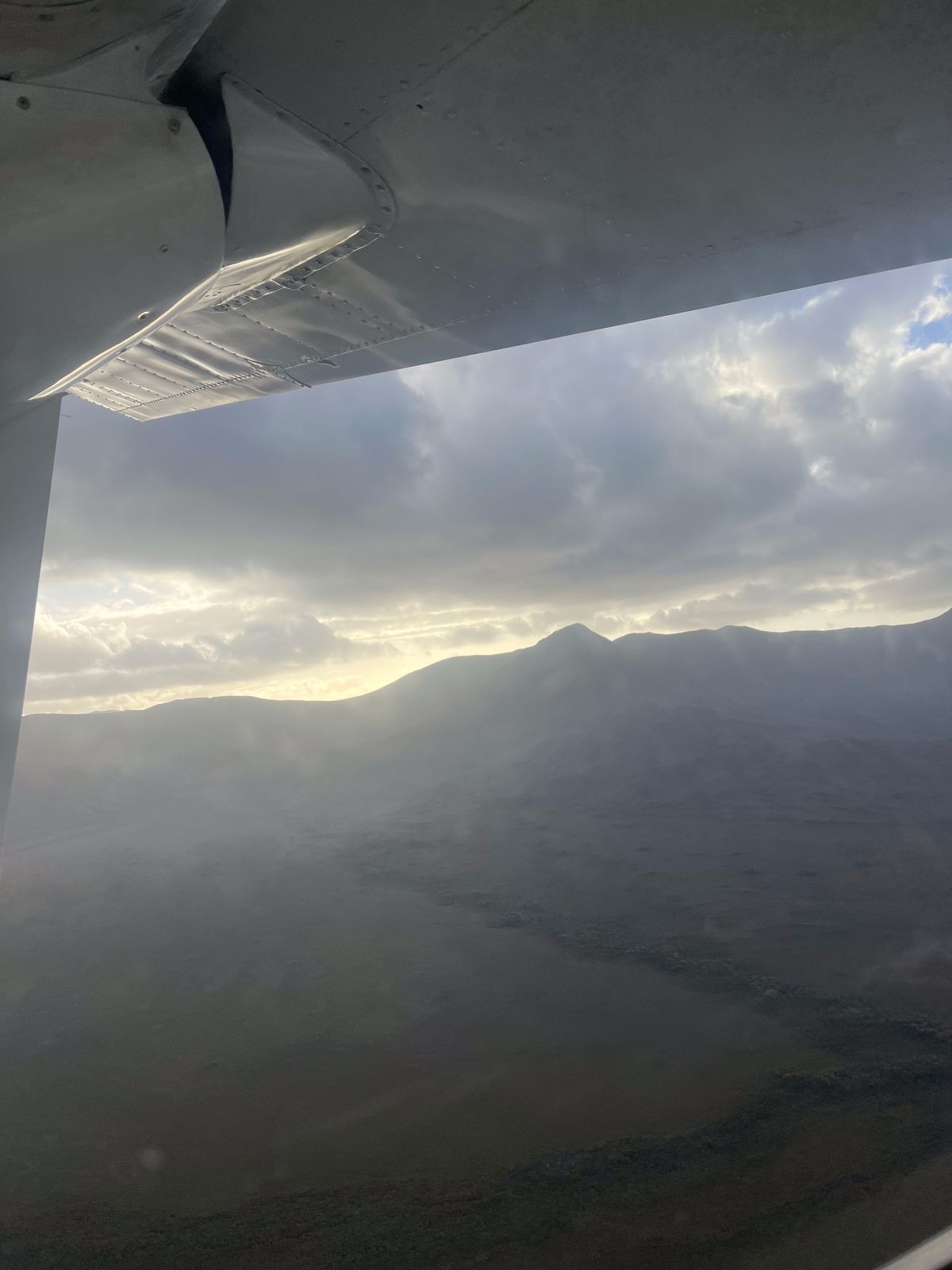
What You Should Know Before Going
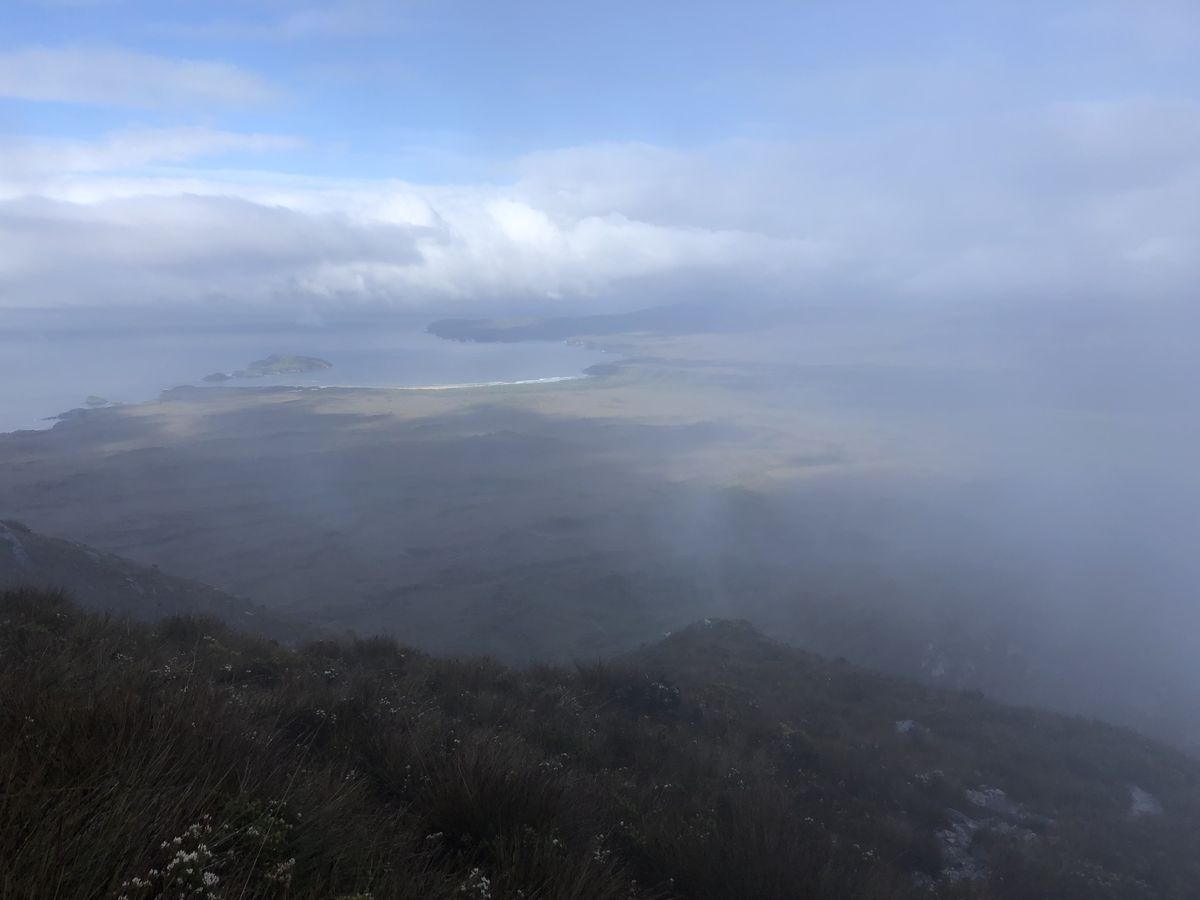
These South Coast Track tips come from two completions and plenty of mistakes. The track doesn't have a lot of deaths because relatively fit, prepared people do it and it's difficult but not beyond reason. The deaths that do happen come from under-preparation, poor judgment in bad conditions, or simple bad luck. This section is the hard-won knowledge section.
Physical Fitness Matters More Than Age
I was 26 and relatively fit. That helped. I wasn't hiking fit, which made everything harder than it needed to be.
If you're 50 and very fit, you'll do better than a 25-year-old who's been sedentary. The track is 8-10 hours of walking per day with significant elevation gain. Your legs will hurt. Your shoulders will ache. If you're already injured or have chronic pain, this track will aggravate it.
Do practice hikes before you go. Minimum: a two-day hike with full pack and 15+ kilometres per day. Ideally: a three-day hike with similar weight and distance. This gives your body a template for what's coming.
Weather Can Change Rapidly
January is the dry season. I still woke to rain. Still hit cold. Weather systems move in and out fast. The coast is exposed. Wind gusts to 60+ kilometres per hour are possible even in summer.
You cannot predict the weather in January with certainty. You can only prepare for it. Pack for cold (5-degree sleeping bag), pack for wet (good rain gear), pack for wind (everything needs to be secured in your tent).
If conditions become genuinely dangerous, sitting in your tent for a day is acceptable. The track doesn't go anywhere. Waiting out weather is fine. Pushing through blizzard conditions to maintain schedule is how people die.
Sleep Deprivation Compounds
On my first night, I didn't sleep due to rain and cold. By day three, the exhaustion was serious. By day five, the lack of sleep was affecting my judgment. I made worse decisions. I took more risks. I panicked more easily.
If your first night is rough (mine was), plan for day two to be harder. Bring energy-dense snacks. Move slowly. Don't push hard. Your body will eventually adapt and sleep will come.
The second trip, I slept decently from night one. The difference in recovery, energy, and mental clarity was massive.
Food Calculations Are Hard
Dehydrated food is lighter than fresh but you need more water to rehydrate. Fresh food is heavier but more satisfying. Calculate your actual calorie needs (roughly 4,000-5,000 per day depending on your size) and plan accordingly.
I undercalculated on my first trip. By day six, I was hungry. By day eight, I was significantly underfed and had lost weight visibly.
The second trip, I brought extra and it was a comfort to have food security.
Budget 200 to 300 grams of food per day. That's roughly 1 kg of dehydrated meals plus 100-200 grams of snacks daily. Ten days is 2-3 kg of food, which is substantial weight but critical.
Navigation Requires Attention
The track is marked but not always obvious. Getting lost is possible. When you're tired, stressed, and visibility is poor, the anxiety spikes.
Carry the guidebook. Carry a map. Know how to use them. GPS is useful but don't rely on it as your only navigation tool. The canopy is dense in places and signal drops.
When you're uncertain, stop and check the map. Do not press forward hoping you're right.
Solo Versus Group Dynamics
Solo hiking means self-reliance. Every decision is yours. Every problem is yours to solve. This is either meditative or stressful depending on your psychology.
Group hiking means shared load but also compromise. You move at the slower person's pace. You camp when others want to camp.
Both have value. Know which suits you. If you're doing it solo, be prepared for extended solitude and be confident in basic wilderness skills.
Water Safety
Water is everywhere but it's not safe to drink untreated. Filter or boil everything. Giardia causes severe intestinal problems for weeks after you leave the track.
I filtered everything. No stomach problems. This is not worth risking.
Bear Bag Your Food Every Night
I mentioned this before but it's critical. String your food 1 to 2 metres off the ground between two trees. Every single night. No exceptions.
Wildlife will destroy bags on the ground. I triple-bagged on the ground and still lost food. Hanging works. Do it.
Tide Timing Is Non-negotiable
Several sections have tidal crossings. The guidebook tells you the tidal times. Plan your days around tides, not the other way around.
Being stuck on the wrong side of a tidal crossing is a serious problem. Plan your camping accordingly.
Weather Windows
If a storm system is coming through and you're in an exposed section, it's better to camp somewhere less exposed and wait it out than to push through.
The track is there. The weather passes. Patience is a valid strategy.
Mental Preparation Is Underrated
Most hiking guides focus on physical fitness. They should focus equally on mental preparation. Nobody warned me about the mental side. The first two nights, lying in a leaking tent, cold and unable to sleep, I genuinely considered calling it. Not because my body couldn't do it. Because my brain was screaming that this was a terrible idea.
You will be cold. You will be wet. You will be tired. You will have moments where you seriously question why you're doing this. This is normal. On day three of my first trip, I sat under a rock overhang during a rain squall and had a proper cry. Not because anything specific happened. Because the accumulated discomfort hit a threshold and my body just needed to release it. Ten minutes later, I packed up and kept walking. That's how it works.
The second time, knowing what was coming, the mental challenge was easier. I'd tell my partner, "This bit is going to be rough, but it passes." Having a framework for the suffering makes it tolerable.
Prepare yourself mentally for discomfort. Accept before you start that days two and three will be the worst. Your body hasn't adapted yet, you're sleep-deprived, and the novelty has worn off. By day four or five, something shifts and the rhythm takes over. Prepare for the possibility of quitting and the reality that quitting via air extraction is possible (though expensive and rare). Most people who consider quitting on day two are glad they didn't by day five.
Insurance Is Not Optional
World Nomads travel insurance Cover-More travel insurance
Travel insurance that covers hiking accidents is essential. If you're injured and need helicopter extraction, the cost is thousands of dollars. Insurance covers this.
Both World Nomads and Cover-More cover multi-day hiking in Tasmania. Cost is roughly $30 to $50 for 10 days of coverage.
The "I've Changed My Mind" Option
If you genuinely want to exit early, you can contact Par Avion via radio and they can potentially extract you. This is expensive and you'll pay for the emergency flight. But it's possible. You're not trapped.
That said, no one I've heard of has done this. The point where you're genuinely struggling is usually day two or three. By day four, you've adapted and everything becomes more manageable.
Real Talk on Difficulty
The South Coast Track is rated "moderate" but that undersells it. It's the hardest hiking I've done. Longer hikes exist. Higher altitude hikes exist. But the combination of exposure, weather, remoteness, and duration puts it in the top tier of difficulty.
If you're someone who hikes weekends occasionally, this will be significantly harder than you expect.
If you're someone who's done multi-day hikes in the Himalayas or Alps, this will be easier than your previous experiences but not easy.
Honest assessment of your fitness matters. Overestimating your fitness gets you into trouble.
Why It's Worth Doing Anyway
Despite all of this, it's worth doing. The isolation rewires something in your brain. The coastline looks like it hasn't changed in ten thousand years. The physical challenge is real but you'll get through it. And the feeling when you walk that last kilometre into Cockle Creek is something I still think about years later.
My first trip, I came home and didn't want to look at my phone for a week. I'd spent 10 days without it and suddenly every notification felt unnecessary. That feeling faded, but the memory of what clarity feels like when you strip everything back to food, shelter, and forward movement stayed.
I've recommended it to people who came back with the same reaction I had. "That was the hardest thing I've done and I'd do it again."
The second time, with my partner, it transformed from personal challenge to shared adventure. Now it's woven into our relationship story.
This isn't a casual hike. This isn't something you do just because it's on a list. This is something you do because you need to do something hard and you want to see what you're actually capable of.
That's worth the effort.
New dispatches from the field
Real stories. No spam. Unsubscribe anytime.